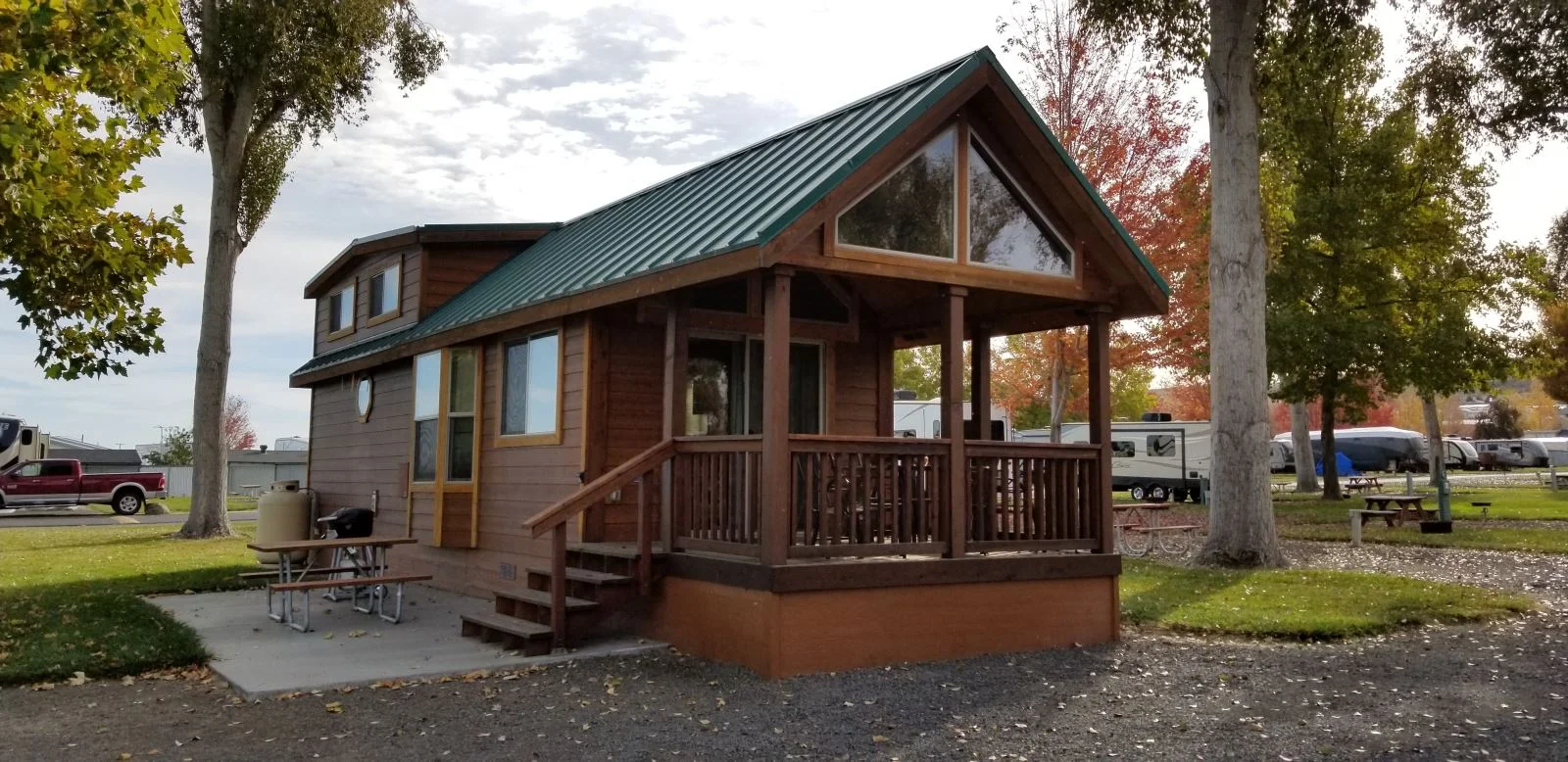
The State of California ADU Laws in 2026
California property owners face some of the highest housing costs in the country. This reality has pushed state legislators to make Accessory Dwelling Units (ADUs) a central part of the solution. By 2026, the laws surrounding these backyard homes have become even more favorable for homeowners. The goal is to remove the red tape that once made building a second unit on your property a bureaucratic nightmare.
Local cities can no longer simply say no to your ADU. State law pre-empts many local zoning ordinances, meaning if you meet the state standards, the city must allow the build. This shift has turned backyards into valuable real estate for rental income, guest housing, or space for aging parents.
The 60-Day Approval Mandate
One of the most significant protections for homeowners is the ministerial review process. When you submit a complete application for an ADU, the local planning department has exactly 60 days to act on it. If they do not approve or provide a list of specific corrections within that window, the application can be deemed approved in some cases. This prevents local governments from stalling projects indefinitely through endless rounds of discretionary hearings.
Step 1: Determine Your Property Eligibility
Most residential lots in California are eligible for at least one ADU. This includes properties zoned for single-family use and those zoned for multi-family use. The rules differ slightly depending on which category your property falls into, but the core rights remain the same.
Single-family lots generally allow for one full ADU and one Junior ADU (JADU). Multi-family properties, like duplexes or apartment buildings, can often add multiple ADUs depending on the number of existing units. You should check your title report or local zoning map to confirm your lot type. Reliable Home Solutions often assists clients in identifying these specific property details before they choose a floor plan.
Step 2: Understand the Different ADU Types
Before you draw up plans, you need to know which type of unit fits your needs. California law recognizes three primary categories.
Detached ADUs: These are standalone structures separate from the main house. They offer the most privacy and are often used as long-term rentals.
Attached ADUs: These units share at least one wall with the primary residence. They are frequently conversions of existing space like an attached garage or a new addition built onto the back of the house.
Junior ADUs (JADUs): These are smaller units, capped at 500 square feet, contained entirely within the existing walls of a single-family home. They must have an efficiency kitchen and can share a bathroom with the main house.
Each type has different setback and size requirements. Choosing the right one depends on your yard size and how you plan to use the space.
Step 3: Mastering Zoning and Setback Rules
Zoning used to be the biggest hurdle for ADU construction. In 2026, the rules are much clearer. For most detached ADUs, you only need to provide 4-foot side and rear yard setbacks. This allows you to place the unit relatively close to your property line, maximizing the remaining yard space.
Local cities cannot require you to provide a replacement parking space if you convert your garage into an ADU. Furthermore, if your property is located within a half-mile of public transit, you are generally exempt from providing any new parking for the ADU itself. These exemptions save homeowners thousands of dollars in paving and landscaping costs.
Height and Size Limits
State law generally allows for a detached ADU to be at least 800 square feet regardless of lot coverage limits. Many cities allow up to 1,000 or 1,200 square feet for two-bedroom units. Height limits have also been increased. You can typically build a detached ADU up to 16 feet high. If you are near a major transit stop or on a multi-family lot, that limit might increase to 18 or even 25 feet for attached units.
Step 4: The Permitting Process in 2026
Permitting is a technical process that requires a set of detailed plans. These plans must include structural engineering, Title 24 energy calculations, and site plans showing utility connections. Because the process is ministerial, the city cannot force you to attend a public hearing or notify your neighbors for their approval.
You will need to pay permit fees, but these are now strictly regulated. For units under 750 square feet, state law prohibits local agencies from charging impact fees. These fees, which fund things like parks and schools, can sometimes exceed $10,000, so keeping your unit under that 750-square-foot threshold is a popular strategy for